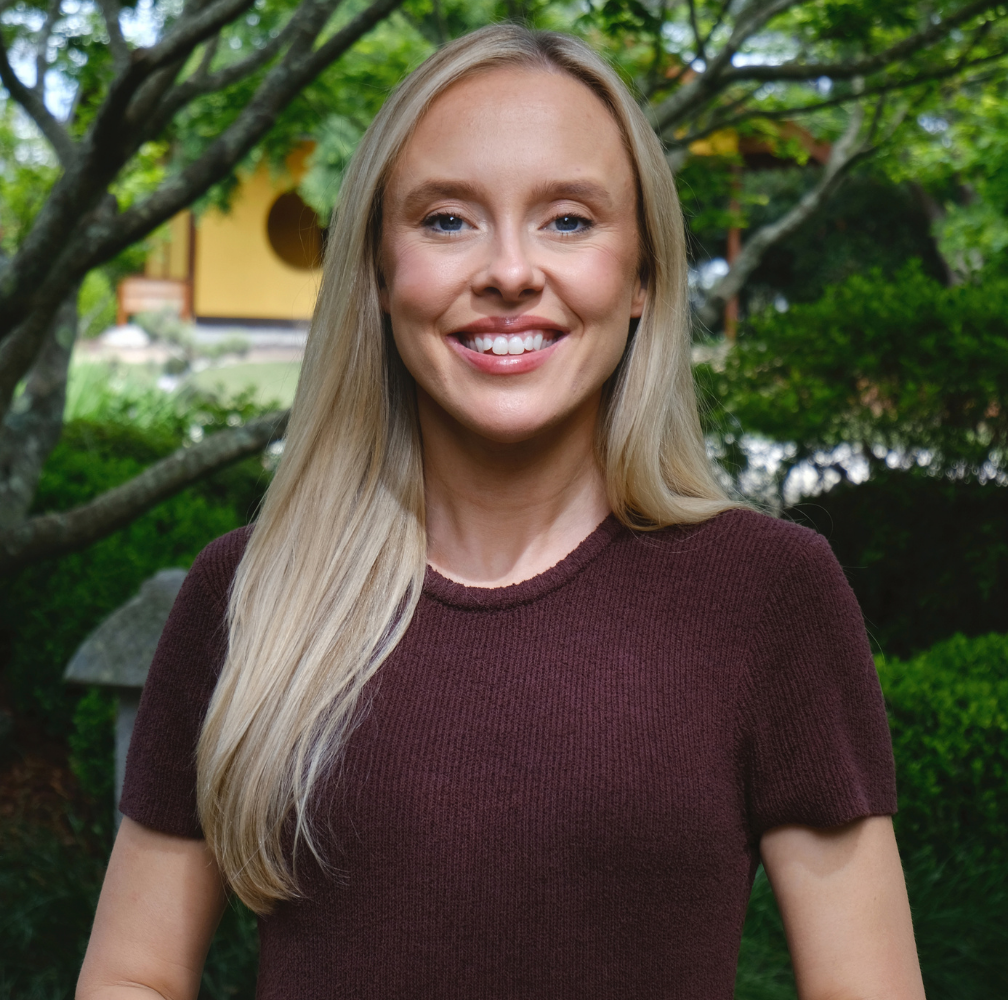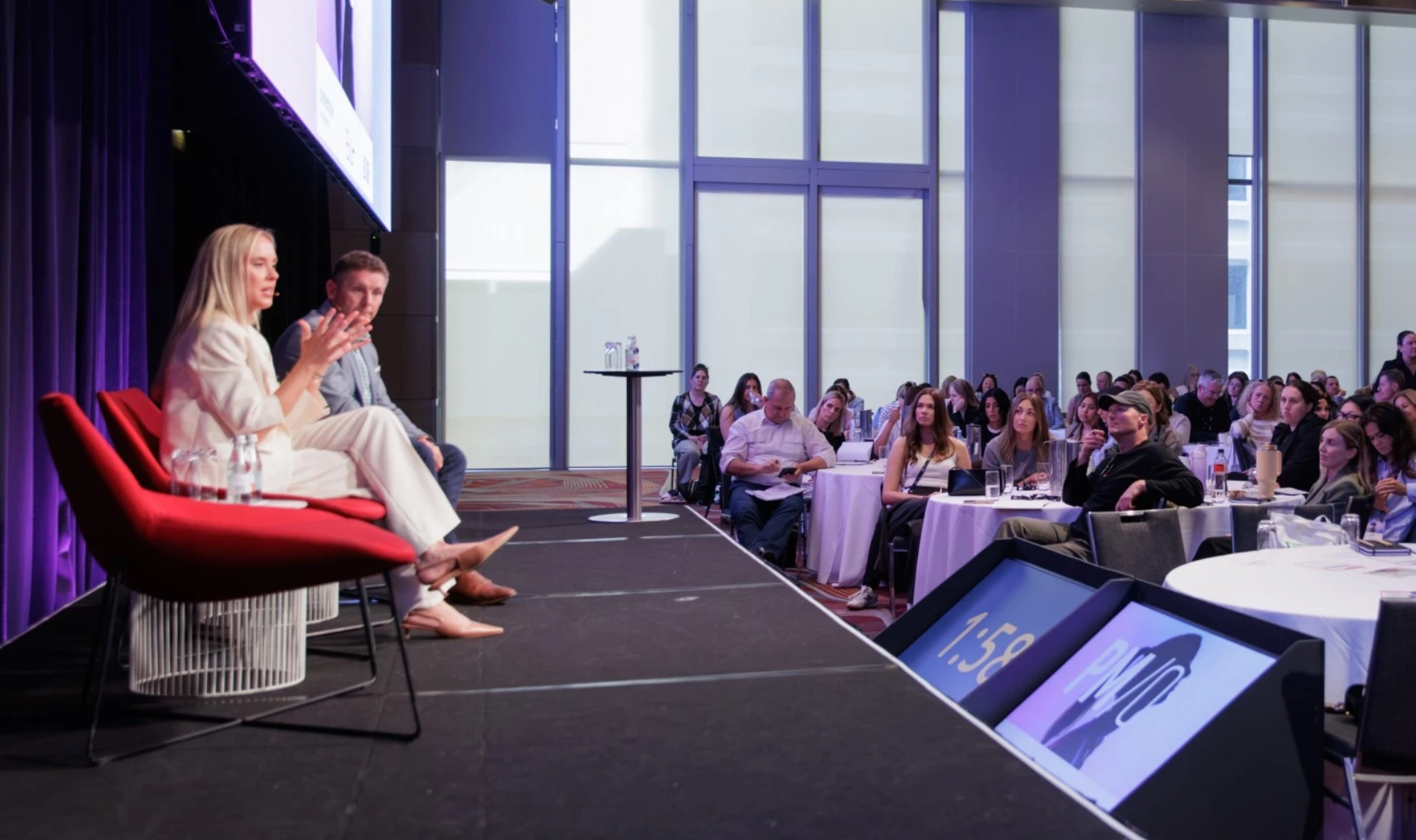
From a career in Human Resources to her role as Chief Operating Officer of the family business at Raine & Horne, Katie Tilden Bingham (2008) has brought a wealth of experience to a business she has long known. As she prepares to return to our School as a new Kindergarten parent, Katie reflects on both the lessons that have shaped her approach to leadership, and the importance of putting people first.
Your career has included experience in financial services, further study in health science and human resource management, and senior leadership in real estate. Were you always interested in multiple areas, or did your career evolve in unexpected ways?
Before real estate, I spent some time collecting careers.
I completed my Bachelor at the University of Sydney on a sports scholarship, having originally planned to become a physiotherapist. Netball had been a big part of my life throughout School and into university, so the connection made sense. By the time I finished, I was more interested in what made people tick than which particular muscle was responsible.
That led me to a Master of Human Resource Management and Industrial Relations, an internship at SBS, and then a graduate role at Westpac. I spent several years in learning, leadership and organisational development before joining our family real estate business.
The common thread has been people, performance and change. It looks considerably more deliberate in retrospect than it felt at the time.
As a woman working in senior leadership, what challenges or opportunities have shaped your experience, and what advice would you give young women who aspire to leadership positions?
Supporting women and girls matters a great deal to me. I’m particularly interested in the expectations we absorb about how we should behave and how those can follow us into leadership.
There’s a tension in being expected to be capable and decisive while also remaining agreeable. I’ve caught myself considering how a view will be received before the words have even left my mouth, or providing a very thorough explanation for something that probably required one sentence.
Learning to recognise that has been useful. So has realising that I don’t need to borrow someone else’s personality to be taken seriously.
My advice to young women would be to take your ideas seriously enough to contribute them, even while you’re still developing your confidence. You can be warm and firm, thoughtful and direct. You don’t have to choose between those qualities or wait until you feel entirely certain of yourself to have something worthwhile to offer. And when you’re in a position to back another woman, do.
You’ve spoken about the importance of creating an environment where people can thrive. How do you work to bring out the best in the people around you?
I want people to feel that working with us has added something to their lives – whether it’s confidence, skills, opportunities, or a sense of what they’re capable of that they didn’t have when they arrived.
That starts with taking an interest in the person, and understanding what they’re good at and where they’d like to develop. It also means trusting them with meaningful responsibility; it’s difficult to ask someone to grow while keeping every important decision for yourself.
Sometimes that means encouragement, sometimes it means a conversation neither of us particularly wants to have. I don’t always get the balance right, but I want people to know I’m invested in them doing well.
Looking back, are there values or lessons you associate with your education at Central Coast Grammar School that continue to guide the decisions you make today?
The School gave me room to achieve, but also room to grow up. I had teachers who encouraged me, challenged me and took an interest in who I was becoming. For a fairly bossy young woman, that combination was probably useful for everyone involved.
Netball was a huge part of my School life and captaining teams gave me an early appreciation of how much leadership depends on understanding other people. Having plenty to say came quite naturally but learning when to listen was more of an education.
That supportive environment helped me develop resilience and become more thoughtful about my effect on the people around me. I could push myself academically and in sport, knowing there were people there to help me find my feet when things didn’t go to plan.
I remember bawling my eyes out at the Year 12 leaving assembly. I’d made wonderful friends, had teachers who became real mentors, and achieved things I was proud of. I wasn’t in any hurry to leave.
With your own child due to join our School soon, you’ve really come full circle. How does it feel to be returning in a new capacity, this time as a parent?
I’m so excited! A big part of moving back to the Coast was being closer to family, so returning to the School with my own children feels particularly special. Mum and dad get to be part of school life again, too – this time with the considerable advantage of not being responsible for the homework.
I know how much the friendships, teachers and opportunities meant to me, and I’m excited to see what they make of it all. They’ll find their own people and interests, and I’ll get to see a place I loved through a different pair of eyes.
Although, having seen the new Junior School playground, I do feel I’ve returned at the wrong end of the arrangement. Paying the fees, but too old for the slide.
When you think about the opportunities and experiences you had as a student, what do you hope your child will discover, develop or carry with them through their own schooling journey?
More than anything, I hope they leave as good people, with good friends and a few things they really care about. I’d love them to be curious about the world and conscious of the part they can play in it.
I hope they have a go at things they aren’t immediately good at and learn that frustration isn’t necessarily a reason to stop; to learn to ask good questions, reconsider an opinion and take responsibility when they’ve got something wrong; and to care about how they treat people, including when nobody is watching or handing out an award.
They also don’t need to leave school with their entire life mapped out. My own career offers fairly compelling evidence of that!